Home / News / Industry News / How Should Buyers Choose an Aluminum Pergola With an Adjustable Roof for Outdoor Projects?
2026-10-02
Linhai Lezama Leisure Products Co., Ltd.
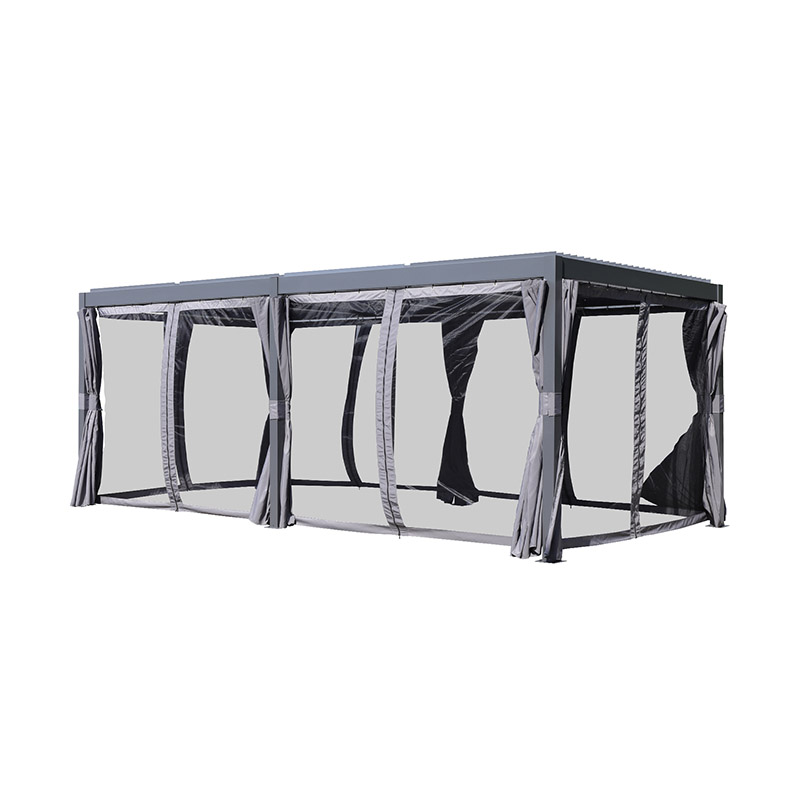
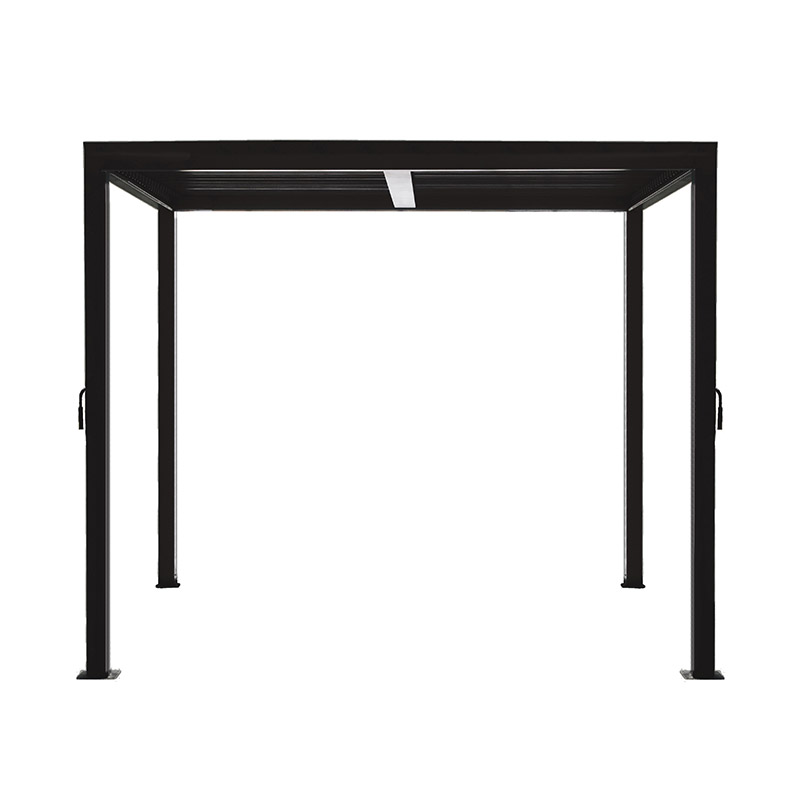
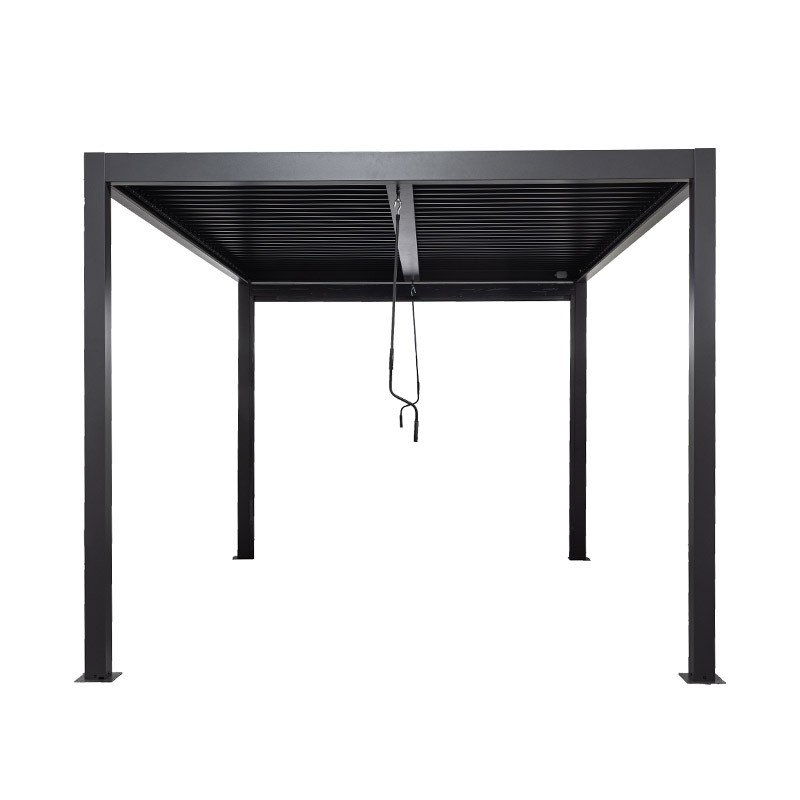
Outdoor spaces are increasingly being designed as usable extensions of homes, restaurants, hotels, and commercial properties rather than areas used only in favorable weather. Recent outdoor-living discussions are placing more attention on shade control, privacy, weather adaptability, and how a structure fits the way people actually use a space. Adjustable louvered pergolas are part of this shift because the roof can respond to changing sunlight and weather conditions instead of providing a fixed level of coverage. For project developers and distributors, selecting an Aluminum Pergola With Adjustable Roof therefore requires attention to structure, roof operation, drainage, installation conditions, and long-term maintenance.
The best pergola configuration depends heavily on where it will be installed. A residential patio, rooftop terrace, poolside area, restaurant dining space, and hotel outdoor area can have very different requirements.
Before selecting a system, buyers should consider the direction of sunlight, available installation area, surrounding structures, privacy needs, and the main activities underneath the pergola. Recent outdoor design guidance also emphasizes positioning shade structures around the areas people actually use rather than choosing a location based only on available space.
A fixed roof provides consistent coverage, but an adjustable louvered roof gives users greater control over sunlight and airflow. The louvers can be positioned according to the conditions and the intended use of the space, making the structure more adaptable throughout the day.
For outdoor dining, for example, users may want more shade during strong sunlight while retaining airflow. At other times, opening the louvers can allow more natural light into the space. This flexibility is one reason adjustable roof systems are increasingly appearing in residential and commercial outdoor projects.
For permanent outdoor structures, the frame material needs to suit the expected environment. Buyers should ask about the aluminum grade, profile construction, surface treatment, fasteners, and connection details rather than accepting a general description such as “aluminum frame.”
Coastal areas, humid climates, and locations with frequent weather changes may require particular attention to surface protection and component selection. For overseas buyers, obtaining clear material and finishing specifications from the manufacturer also makes it easier to compare different suppliers on a consistent basis.
When adjustable louvers are closed during rainfall, water management becomes an important part of the roof design. A well-planned system can guide water toward integrated channels and discharge points rather than allowing uncontrolled runoff over the edges.
For this reason, buyers should ask how the roof, beams, gutters, and posts work together. Current aluminum pergola systems on the market commonly integrate concealed drainage into the structure, allowing manufacturers to maintain a cleaner appearance while managing rainwater.
The operating method should reflect the application, budget, and user expectations. Manual systems may be appropriate for simpler installations, while motorized louvers can provide easier adjustment for larger residential projects, restaurants, hospitality spaces, and commercial applications.
For motorized systems, procurement teams should also examine the controller, power requirements, operating method, installation arrangement, and compatibility with optional accessories. Buyers should avoid treating motorization as an isolated feature because the drive system needs to work correctly with the roof structure.
A pergola's appearance does not reveal how it will perform in a particular location. Wind exposure, roof size, anchoring conditions, installation surface, and local building requirements can all affect the appropriate structural configuration.
This is especially relevant for overseas projects where weather conditions vary considerably. Buyers should request project-specific engineering information where required rather than relying on a generic statement about weather resistance. Recent buyer discussions around pergola projects also show growing attention to actual material specifications, wind-load information, and installation responsibility.
Before placing a project order, buyers should confirm the frame material, roof structure, louver operation, drainage design, surface finish, available dimensions, installation method, motor configuration, accessories, packaging, and customization options. For distributors, consistency across repeat orders is equally important because product dimensions, colors, components, and assembly details can directly affect installation and customer satisfaction.
As a manufacturer, we focus on connecting product design with the practical requirements of each project rather than treating every outdoor space the same. A properly specified Aluminum Pergola With Adjustable Roof can provide controllable shade, airflow, and rain protection while supporting different residential and commercial applications. Working directly with an experienced manufacturer also gives buyers more opportunity to discuss dimensions, finishes, roof operation, drainage, and project-specific requirements before ordering an Aluminum Pergola With Adjustable Roof.
Recommended Products

For any inquiries, please contact us.
Tel: +86-0576-85118676 / 18905767077
No. 26, Changtangan, Lingjiang River, Linhai City, Taizhou City, Zhejiang, China


 English
 Deutsch
 Español