Home / News / Industry News / How Can an Adjustable Roof Pergola Adapt to Changing Outdoor Conditions?
2026-10-09
Linhai Lezama Leisure Products Co., Ltd.
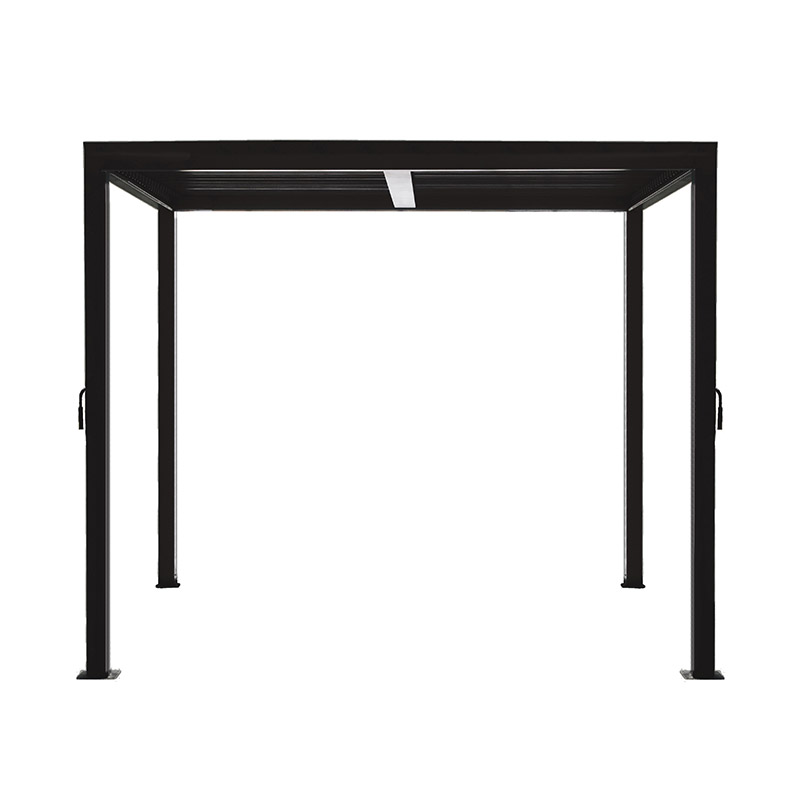
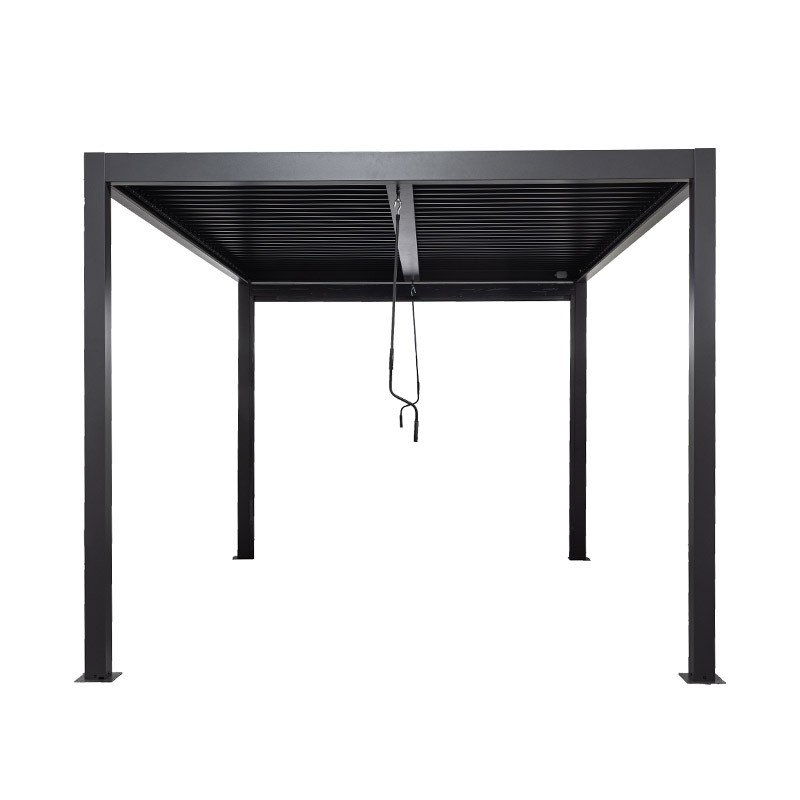
Outdoor spaces are expected to serve different purposes throughout the day, yet fixed shading cannot always provide the right balance between sunlight, airflow, and weather protection. An Aluminum Pergola With Adjustable Roof gives buyers more control over how an outdoor area is used, but the roof mechanism is only one part of the overall structure. For property developers, outdoor space designers, contractors, and procurement teams, the more important question is whether the pergola can be configured around the actual site conditions. A manufacturer can help buyers evaluate these requirements before the final structure is confirmed.
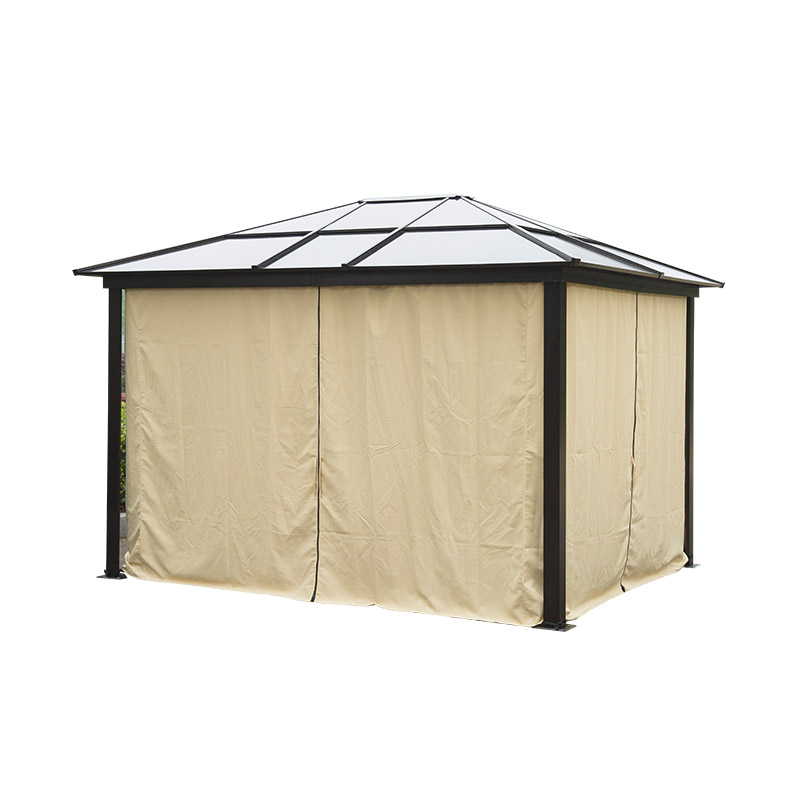
The intended use of the space should guide the pergola design. A residential terrace may prioritize comfortable shading, while a dining area may require better control of sunlight and airflow throughout the day.
Before choosing a structure, buyers should consider the size and layout of the area, nearby walls or buildings, furniture placement, and how people will move through the space. These details influence the appropriate roof arrangement and overall dimensions.
A pergola should be designed around the space it serves rather than treated as an independent outdoor product.
An adjustable roof provides a practical way to change the amount of sunlight entering the covered area. The ideal roof position may vary depending on the time of day and the intended activity underneath.
When the roof is partially adjusted, users can create a different balance between shade and natural light. When greater coverage is required, the roof can be positioned accordingly.
For manufacturers, the important point is ensuring that the roof components move smoothly and remain properly aligned throughout the operating range.
Closing the roof can provide greater coverage, but outdoor comfort is not determined by shading alone. Air movement also affects how an outdoor area feels.
The roof design should therefore be considered together with the surrounding environment. Buyers can evaluate how air can enter and leave the covered space and whether the pergola layout leaves sufficient openness around the structure.
This is particularly relevant for patios, terraces, and commercial outdoor areas where people may remain underneath the pergola for extended periods.
Weather protection requires more than closing the roof panels. Rainwater needs to be guided away from the covered area rather than allowed to accumulate around the structure.
A practical design should consider roof slopes, drainage paths, connection areas, and locations where water may collect. These details should be discussed before production, especially when the pergola is being customized for a specific site.
From a manufacturing perspective, drainage should be treated as part of the overall structure instead of being added as an afterthought.
The installation environment can affect how the pergola should be configured. Ground conditions, available fixing points, surrounding walls, and the dimensions of the installation area all need to be considered.
Buyers can provide site drawings or installation measurements to help the manufacturer understand the actual project.
Important information may include:
Clear site information gives the manufacturer a stronger basis for customization.
An outdoor pergola is exposed to changing environmental conditions, so material selection should correspond with the intended application. Aluminum is commonly considered for this type of structure because it can be formed into structural profiles while supporting a relatively manageable overall design.
However, buyers should still confirm the specific material, surface finish, profile structure, and connection method with the manufacturer. These details influence the appearance and construction of the finished pergola.
A clear material specification also makes repeat orders easier to control.
Different outdoor projects rarely have exactly the same dimensions or layout. Buyers may need adjustments to the pergola size, roof configuration, color, drainage arrangement, control method, or supporting structure.
Early communication is important because one design change can affect several connected components. A manufacturer can review the complete structure before production and confirm which requirements can be incorporated into the final design.
For overseas buyers, an Aluminum Pergola With Adjustable Roof should therefore be selected according to the complete outdoor application rather than roof movement alone. When sunlight control, airflow, drainage, installation conditions, materials, and customization are considered together, the manufacturer can develop a more practical structure for the project. A well-defined specification also gives buyers a clearer basis for comparing samples, confirming production, and planning future outdoor spaces.
Recommended Products

For any inquiries, please contact us.
Tel: +86-0576-85118676 / 18905767077
No. 26, Changtangan, Lingjiang River, Linhai City, Taizhou City, Zhejiang, China


 English
 Deutsch
 Español