2026-09-11
Linhai Lezama Leisure Products Co., Ltd.
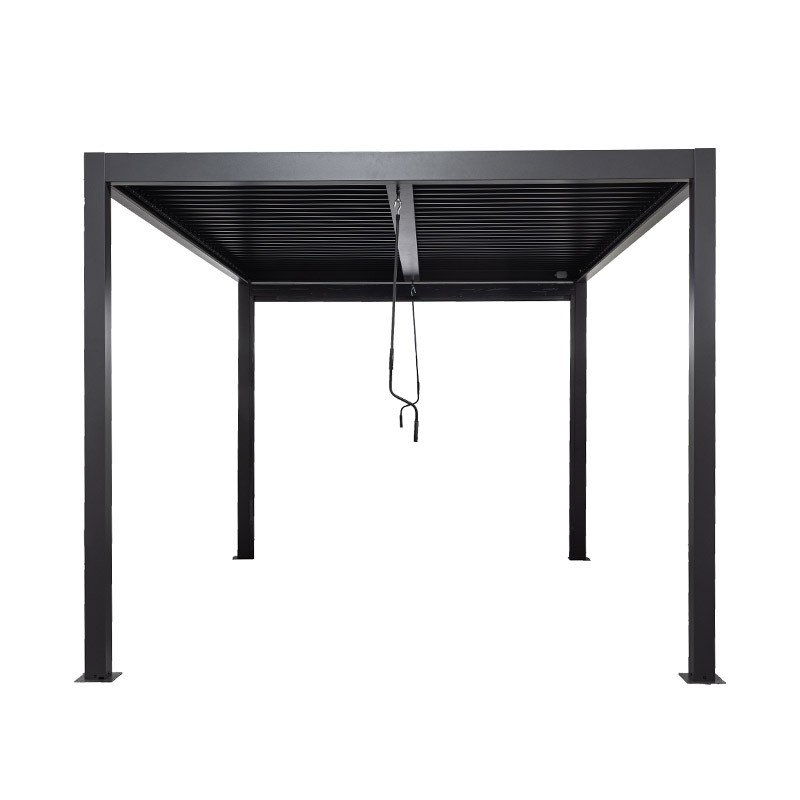
Outdoor patio projects are increasingly expected to remain usable when weather conditions change, rather than functioning only as seasonal shade structures. For overseas buyers, this creates a more practical question: how should a pergola system be specified for its actual installation environment? Wind exposure, rainfall, drainage, roof operation, structural connections, and local site conditions can all influence the final configuration. For a Louvered Pergola For Patio Use, choosing the right structure therefore requires more than comparing dimensions, colors, or motor options.
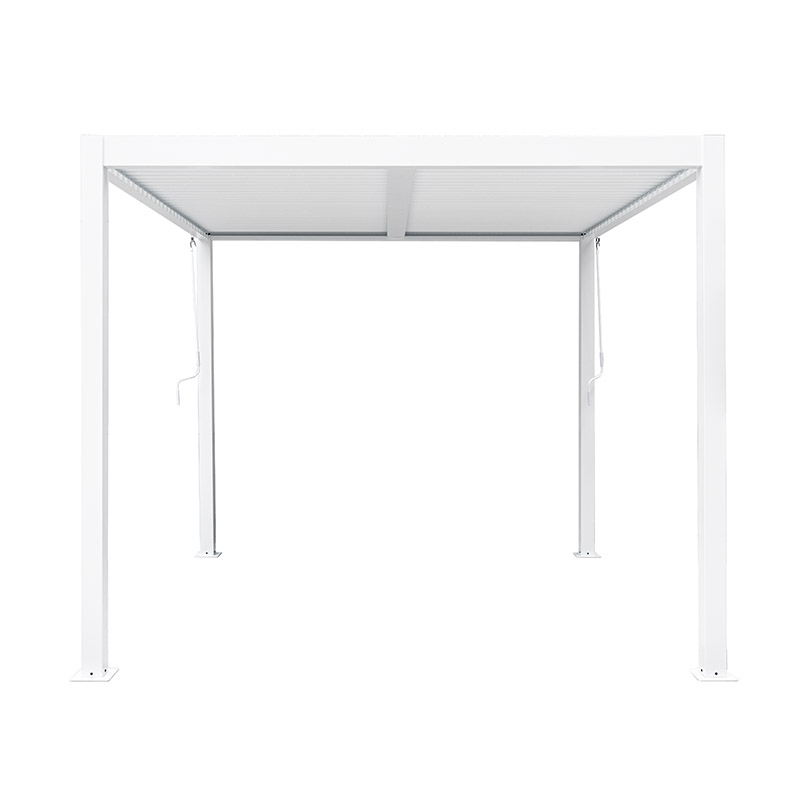
Wind is one of the first environmental factors engineers should review when selecting an adjustable roof system. A pergola installed beside an open lawn, on a rooftop, near a coastline, or between buildings may experience very different airflow conditions.
The louver position can also influence how the roof responds to wind. Instead of asking only whether a product is "wind resistant," procurement teams should request project-specific engineering information covering the frame, posts, connections, louver structure, and anchoring method.
A closed louvered roof can redirect rainwater toward integrated gutters, but the effectiveness of the system depends on how individual components work together. Current manufacturer designs commonly route water from the roof into perimeter channels and then through structural posts.
For buyers, useful technical questions include:
Answering these questions before production can reduce installation adjustments later.
The louvers are not simply decorative blades. Their width, thickness, shape, connection points, and internal structure influence rigidity and overall roof performance.
For larger commercial or hospitality projects, buyers may require different profiles from those used for smaller residential patios. Some current systems use reinforced or double-layer aluminum louvers to increase rigidity, while others focus on lightweight profiles for easier operation.
As a manufacturer, we evaluate the louver together with the supporting beams and rotating mechanism rather than treating it as an independent component.
Motorized operation is attractive for projects where users need frequent adjustment or convenient control. However, motor selection should follow the roof design instead of being treated as a standard accessory.
The number of louvers, roof dimensions, operating frequency, connection structure, and control requirements can all affect the appropriate motor configuration. For larger systems, independent roof zones may also provide greater flexibility for different activity areas.
This is particularly useful for restaurants, hotels, and outdoor dining spaces where shade requirements can vary across the same patio.
Outdoor structures installed near the sea face additional exposure to moisture and airborne salt. That does not mean every coastal project requires the same specification, but it does make material selection and surface treatment more important.
Procurement teams should review:
A supplier with manufacturing experience should be able to explain why a particular material and finish is recommended for the intended environment.
For overseas buyers, technical communication before production can be just as important as the physical product. Drawings, dimensions, mounting positions, drainage routes, electrical requirements, and accessory locations should be reviewed before manufacturing begins.
For custom orders, our manufacturing approach is to confirm the project conditions first and then coordinate the aluminum profiles, louver arrangement, motor system, drainage structure, finish, and packaging around the agreed specification. This helps distributors and project contractors receive a system that is easier to install and manage.
A reliable outdoor roof system should be selected according to the environment rather than based solely on appearance or a standard product configuration. Wind exposure, rainfall, coastal conditions, roof size, drainage, motorization, and installation method all deserve consideration during procurement.
For overseas distributors, contractors, and project buyers, a properly engineered Louvered Pergola For Patio Use can provide a more practical balance between adjustable shade, weather management, structural performance, and long-term usability when its specifications are matched carefully to the installation site.
Recommended Products

For any inquiries, please contact us.
Tel: +86-0576-85118676 / 18905767077
No. 26, Changtangan, Lingjiang River, Linhai City, Taizhou City, Zhejiang, China


 English
 Deutsch
 Español