Home / News / Industry News / Why Are Louvered Pergolas Becoming a Practical Choice for Modern Patio Projects?
2026-09-04
Linhai Lezama Leisure Products Co., Ltd.
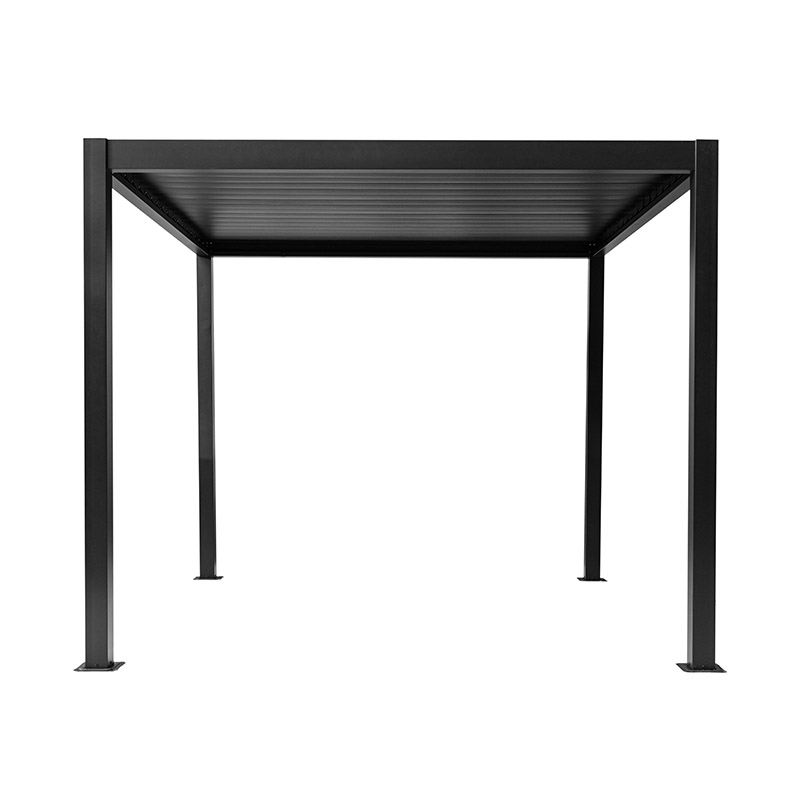
Outdoor patios are increasingly being designed as functional extensions of residential and commercial spaces rather than seasonal areas used only in favorable weather. Recent 2026 outdoor-living discussions show growing interest in adjustable roof systems, integrated features, and aluminum structures that provide greater flexibility in changing conditions. For overseas buyers, however, choosing a Louvered Pergola For Patio Use involves more than selecting an attractive roof style. Structural design, drainage, materials, operation, and installation requirements all influence whether the system performs well after delivery.
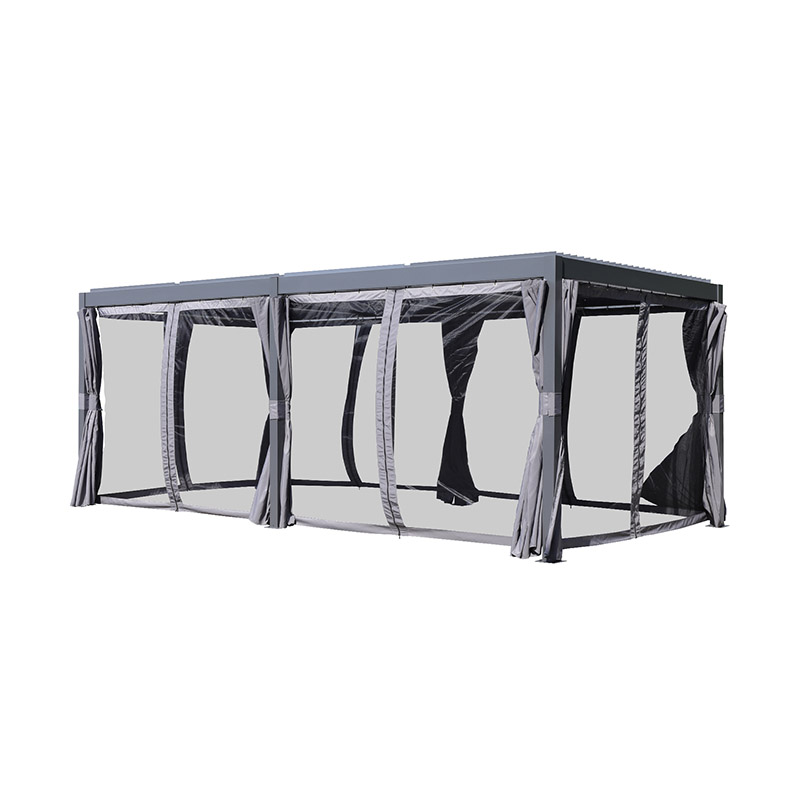
Fixed patio covers can provide shade, but they offer limited control when sunlight, airflow, or weather conditions change during the day. Adjustable louvers allow users to modify the roof position according to actual use, making the patio more flexible for dining areas, hotel terraces, restaurants, and residential outdoor rooms.
This shift toward adaptable outdoor spaces is also influencing architectural specifications. Current industry discussions increasingly highlight operable pergolas as part of more integrated outdoor environments rather than standalone decorative structures.
For procurement teams, the louver mechanism deserves close attention. A well-designed roof should operate smoothly while keeping the blades properly aligned throughout repeated opening and closing.
Manufacturers should consider the relationship between:
These details can influence operating consistency and maintenance requirements, particularly for commercial projects where the pergola may be used frequently.
Aluminum remains a practical material for modern pergola systems because it supports clean architectural profiles while avoiding many of the maintenance concerns associated with traditional timber structures. Powder-coated aluminum is also increasingly associated with contemporary pergola design and integrated outdoor features.
From a manufacturing perspective, material selection should be considered together with profile thickness, connection design, coating quality, fasteners, and the installation environment. Coastal projects, humid locations, and high-exposure patios may require different material and surface-treatment considerations.
One common purchasing mistake is focusing on the louvers while overlooking rainwater management. When the roof closes, collected water needs a controlled path through the frame and away from the occupied area.
For buyers comparing suppliers, practical questions include:
Discussing these details before production can prevent costly modifications during installation.
Motorized pergolas are increasingly being connected with remote controls, sensors, lighting, and smart-home systems. Industry coverage in 2026 continues to emphasize automation as part of the broader move toward responsive outdoor spaces.
However, procurement teams should evaluate the complete control system rather than choosing a motor based only on convenience. Motor compatibility, wiring requirements, control interfaces, manual operation options, and environmental protection should all be confirmed during technical discussions.
A pergola designed for a private patio may have very different requirements from one intended for a restaurant, hotel, resort, or commercial terrace. Dimensions, wind exposure, drainage direction, access conditions, color, lighting, screens, and control preferences can all affect the final configuration.
As a manufacturer, we recommend confirming these requirements before production begins. Early technical communication allows the frame, louver system, accessories, packaging, and installation details to be coordinated instead of treated as separate components.
The growing interest in adjustable outdoor structures reflects a broader shift toward patios that support more activities throughout the year. For overseas distributors and project buyers, the most important question is therefore not simply whether a pergola looks modern, but whether its construction matches the intended application.
A properly specified Louvered Pergola For Patio Use can bring together adjustable shading, airflow management, rainwater drainage, durable aluminum construction, and optional automation in one coordinated system, giving buyers a more practical solution for modern residential and commercial patio projects.
Recommended Products

For any inquiries, please contact us.
Tel: +86-0576-85118676 / 18905767077
No. 26, Changtangan, Lingjiang River, Linhai City, Taizhou City, Zhejiang, China


 English
 Deutsch
 Español