Home / News / Industry News / What Is Driving the Shift From Static Pergolas to Smart Weather-Adaptive Outdoor Systems?
2026-05-29
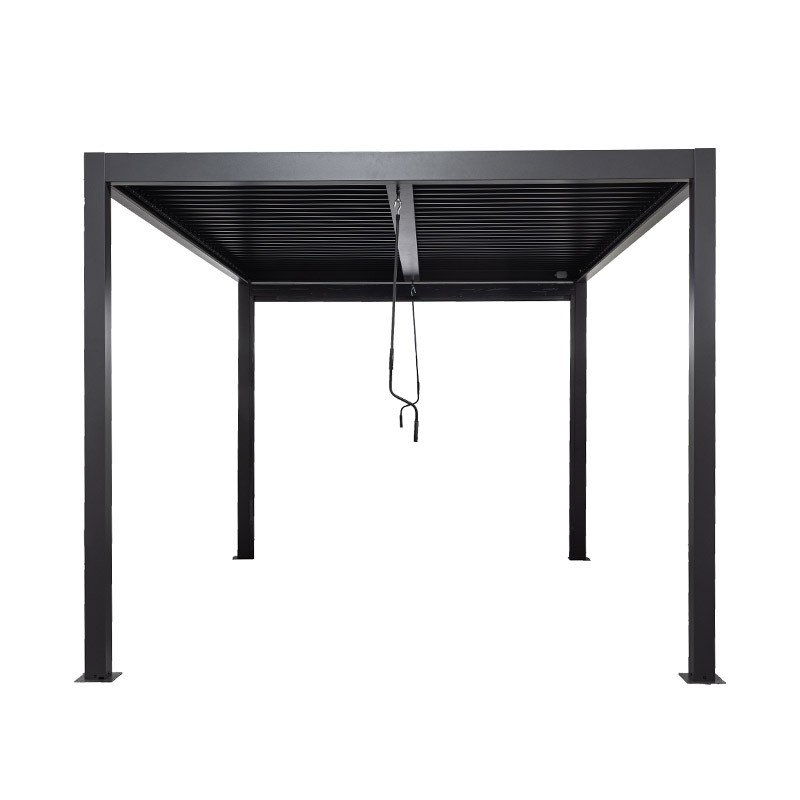
The outdoor construction and leisure industry is undergoing a clear transition toward intelligent, responsive structures, and demand for Dual-Side Independent Control Louvered Pergola and Wind And Rain Awning Pergola systems is accelerating this shift. Unlike traditional shading products, modern outdoor systems are no longer evaluated only by appearance or basic sun protection. Instead, they are expected to actively respond to environmental changes, user behavior, and architectural integration needs.
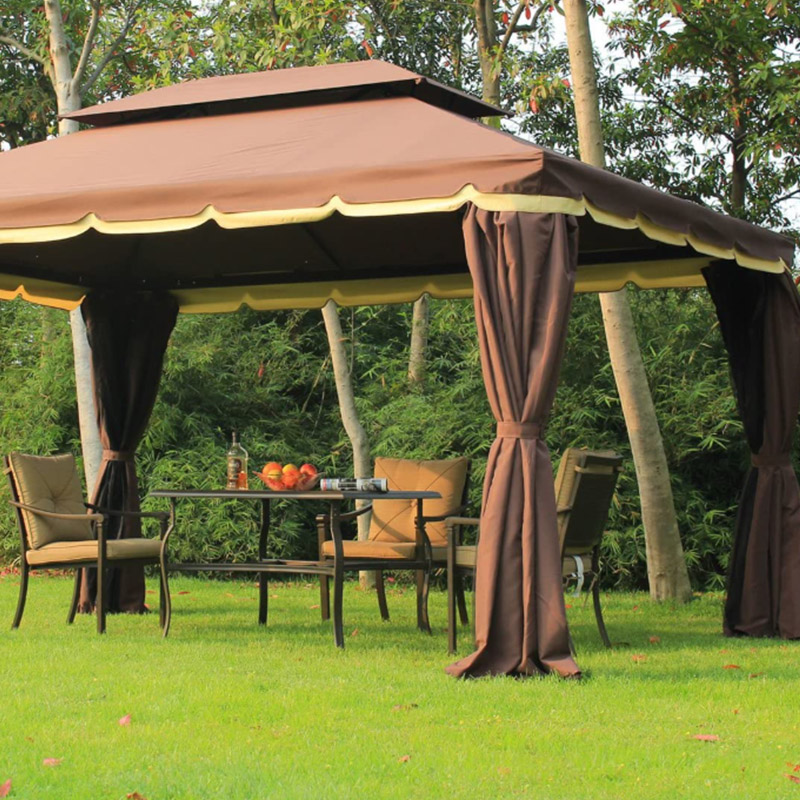
This evolution is strongly influenced by climate unpredictability, rising expectations for outdoor comfort, and the global trend toward smart living environments. As a result, pergola systems are becoming engineered outdoor platforms rather than simple shade structures.
One of the key drivers behind this transformation is how people use outdoor spaces today. Gardens, terraces, rooftops, and hospitality patios are no longer seasonal or occasional-use areas. They are now part of daily living and business operations.
Modern usage demands include:
This shift has made static outdoor structures increasingly insufficient.
Global weather patterns are becoming less predictable, which directly impacts outdoor space usability. Traditional pergolas often fail to provide timely response to sudden rain, wind, or temperature changes.
Key challenges include:
These issues are pushing buyers toward more adaptive and intelligent solutions.
A major innovation in modern pergola systems is the ability to control different sections independently. This feature is particularly valuable for commercial spaces where different users require different comfort conditions at the same time.
Benefits of independent control include:
This level of control significantly enhances the usability of outdoor environments.
Automation is no longer a luxury feature in outdoor systems—it is becoming a standard requirement in many international projects. Buyers now expect pergolas to respond automatically to environmental conditions.
Common smart features include:
These features reduce manual intervention while improving safety and convenience.
Unlike indoor systems, outdoor pergolas must withstand continuous exposure to environmental stress. This requires stronger engineering design and more durable materials.
Modern design priorities include:
These improvements ensure reliable performance even in challenging climates such as coastal or high-wind regions.
International buyers are now evaluating outdoor systems with a stronger engineering mindset. Instead of short-term cost comparison, long-term system performance is becoming the main consideration.
Key procurement priorities include:
This reflects a more mature and risk-conscious global purchasing trend.
The next stage of outdoor design is moving toward fully responsive environments where comfort, technology, and architecture are seamlessly integrated. Pergolas will no longer function as passive structures but as active environmental control systems.
Future development directions include:
As this evolution continues, Dual-Side Independent Control Louvered Pergola and Wind And Rain Awning Pergola systems will become essential components in shaping intelligent, adaptive, and highly functional outdoor living environments worldwide.
Recommended Products

For any inquiries, please contact us.
Tel: +86-0576-85118676 / 18905767077
No. 26, Changtangan, Lingjiang River, Linhai City, Taizhou City, Zhejiang, China


 English
 Deutsch
 Español