2026-02-20
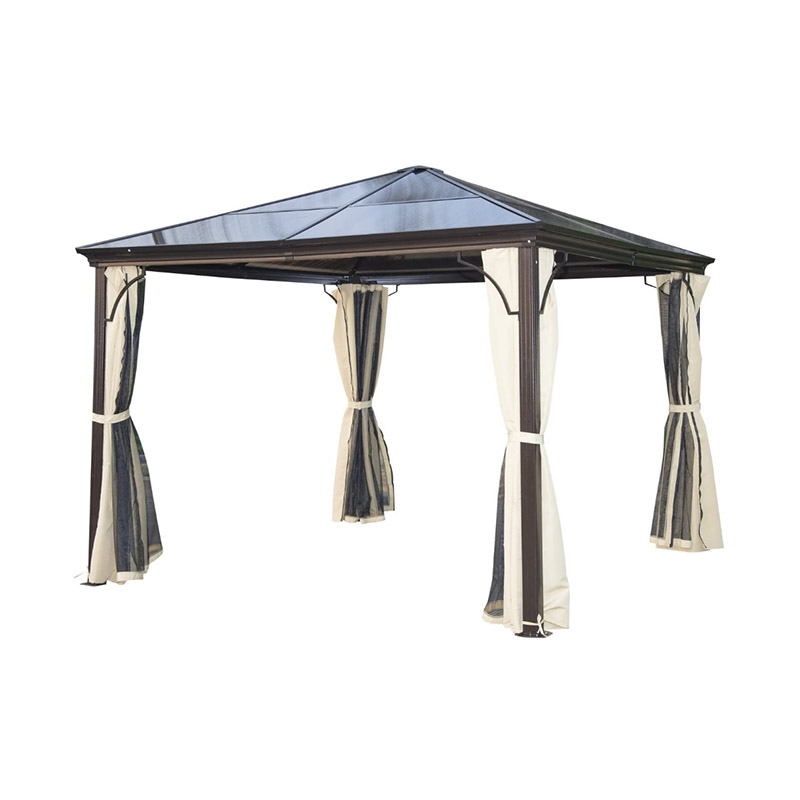
A garden hard top gazebo provides a structured area in outdoor spaces that encourages practical and flexible use. Unlike open pergolas or simple canopies, a hard top gazebo features a solid roof that allows homeowners to arrange furniture, decorations, and outdoor equipment without concern for sudden weather changes. Constructed from materials such as aluminum, steel, or composite panels, these gazebos combine structural stability with a neutral aesthetic that can complement a variety of garden styles. They are particularly suited for spaces that host frequent gatherings or need a defined area for outdoor activities.
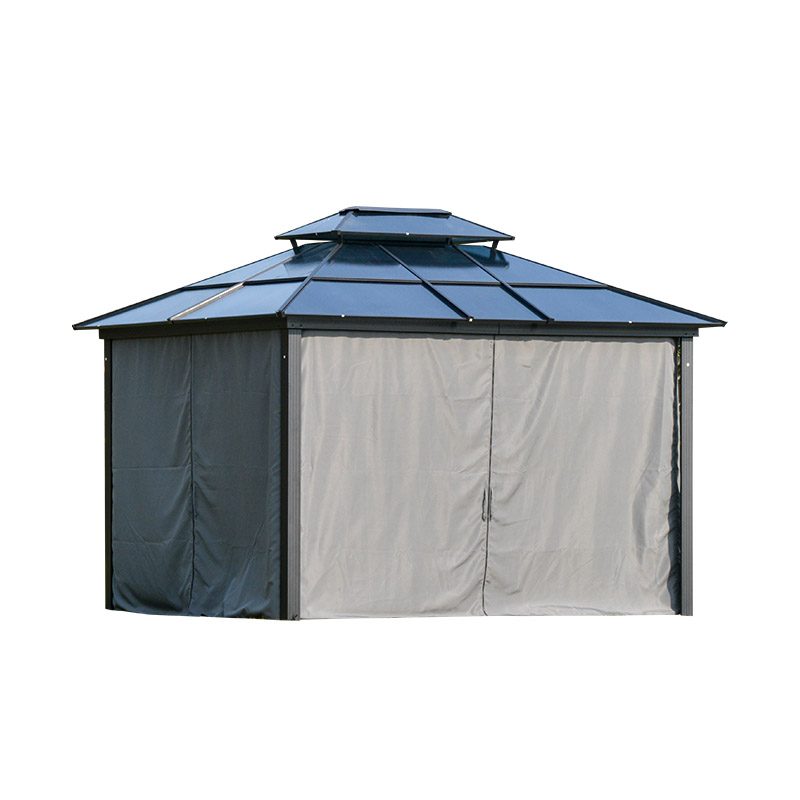
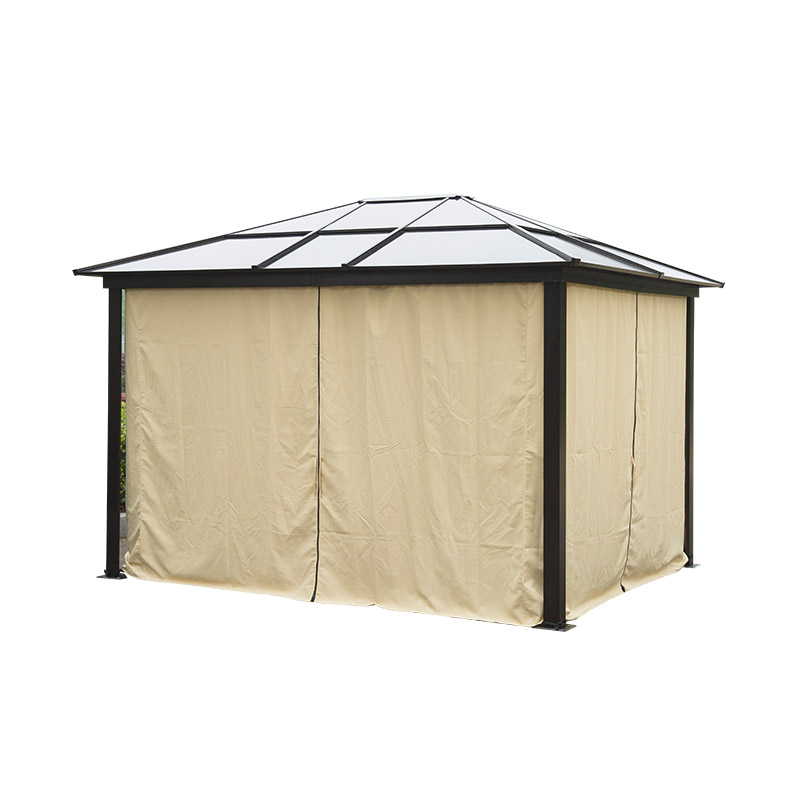
These gazebos can be used for multiple purposes beyond seating or dining. For example, they can accommodate an outdoor office setup, storage for garden tools, or a sheltered area for children’s play. The roof protects from sunlight and precipitation, while optional attachments, such as side curtains or screens, can offer privacy or reduce insect presence. This setup allows homeowners to organize outdoor areas more efficiently and ensures that various activities can continue regardless of short-term weather conditions.
Material selection plays a significant role in the performance and durability of a hard-top gazebo. Aluminum frames with treated coatings resist corrosion and maintain structural integrity when exposed to moisture and temperature fluctuations. Some models include steel reinforcements in critical areas such as roof trusses and support posts, which adds additional support in areas prone to strong winds. Standard gazebos often cover between 150 and 250 square feet, which accommodates seating, storage, or other functional installations. Installation with secure anchoring ensures stability and safety over time, even in environments that experience wind or rain.
In addition to practical considerations, hard top gazebos contribute to organized outdoor spaces. They provide a defined area that separates seating or activity zones from open lawns or flowerbeds, which can help homeowners plan landscaping and garden layouts. The structured form can also serve as a backdrop for outdoor décor, seasonal events, or lighting installations, giving the space a clear focal point without obstructing the surrounding landscape.
Homeowners often use these gazebos to create dedicated areas for social interactions or personal routines. A gazebo may serve as a sheltered reading space, a gathering spot for family meals, or a protected zone for hobbies such as painting or yoga. The solid roof allows these activities to continue with fewer interruptions from the sun or rain. Over time, the structure becomes integrated into the outdoor environment, providing both utility and a visual anchor within the garden.
Frequently Asked Questions:
Q: Can hard top gazebos be installed on uneven terrain?
A: Most models can be anchored on slightly uneven surfaces, but adjustments or leveling may be needed for stability.
Q: Are additional attachments compatible with the gazebo?
A: Many designs allow for side panels, curtains, or insect screens to be added.
Q: What is the typical size range for these gazebos?
A: Common models cover 150 to 250 square feet, which accommodates various furniture arrangements and activities.
Q: Is it possible to assemble the gazebo without professional help?
A: Some models are designed for self-assembly, although professional installation can improve stability and alignment.
Overall, a garden hard top gazebo provides a functional outdoor space that supports diverse activities while integrating with garden design. Its combination of structure, protection, and organization makes it a practical addition for homeowners looking for the usability of their outdoor areas.
Recommended Products

For any inquiries, please contact us.
Tel: +86-0576-85118676 / 18905767077
No. 26, Changtangan, Lingjiang River, Linhai City, Taizhou City, Zhejiang, China


 English
 Deutsch
 Español