Home / News / Industry News / Why Are Outdoor Living Spaces Becoming More Technically Advanced Than Ever Before?
2026-05-15
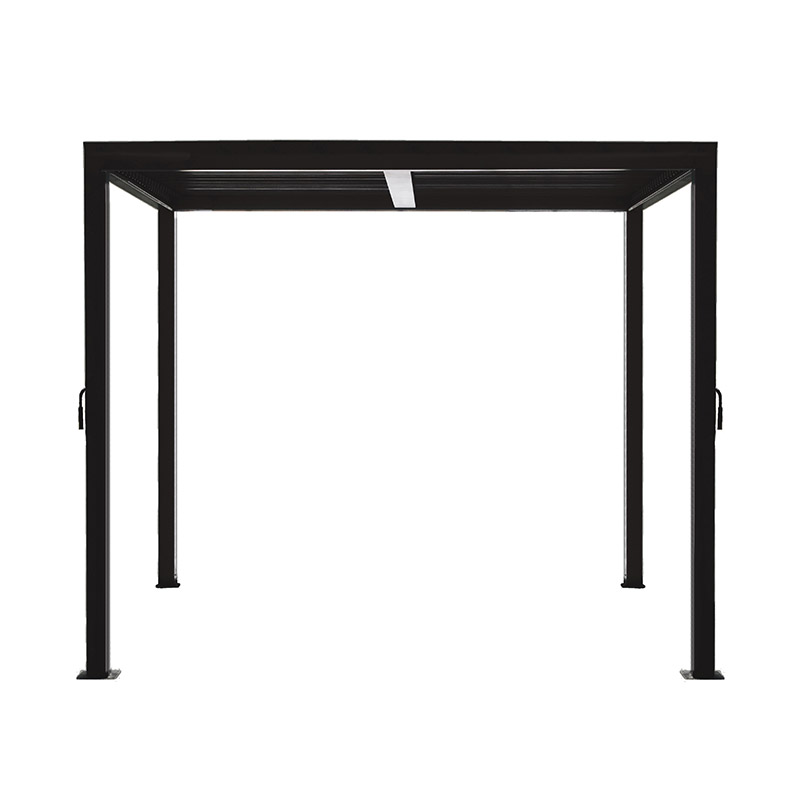
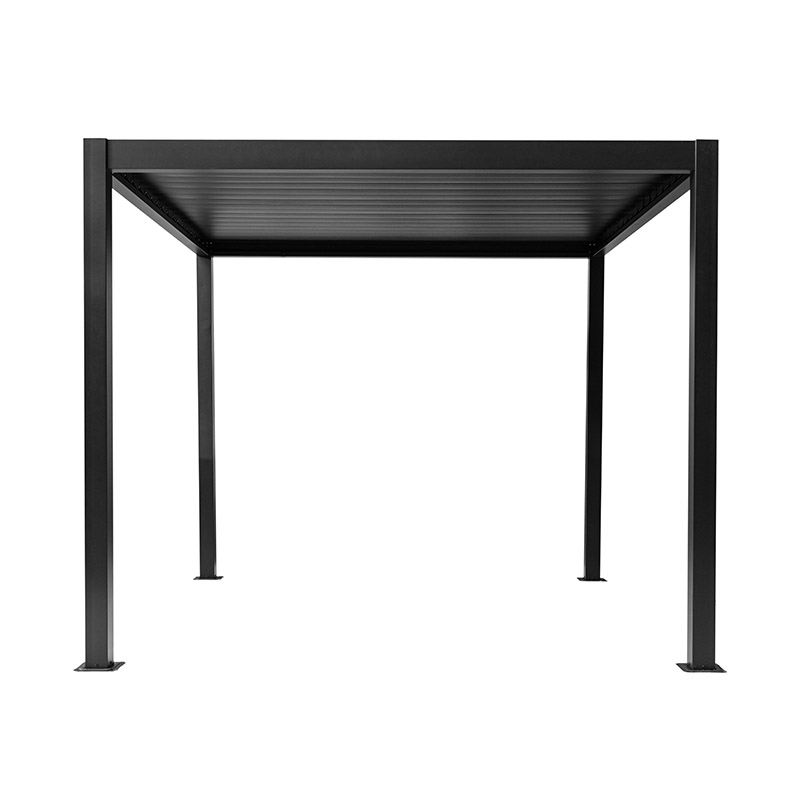
The global outdoor leisure and architectural shading industry is rapidly evolving, driven by increasing demand for smart, adaptable, and weather-resistant structures such as Dual-Side Independent Control Louvered Pergola systems and Wind And Rain Awning Pergola solutions. What was once a simple sunshade structure has now transformed into a highly engineered outdoor living system that combines comfort, automation, and environmental adaptability.
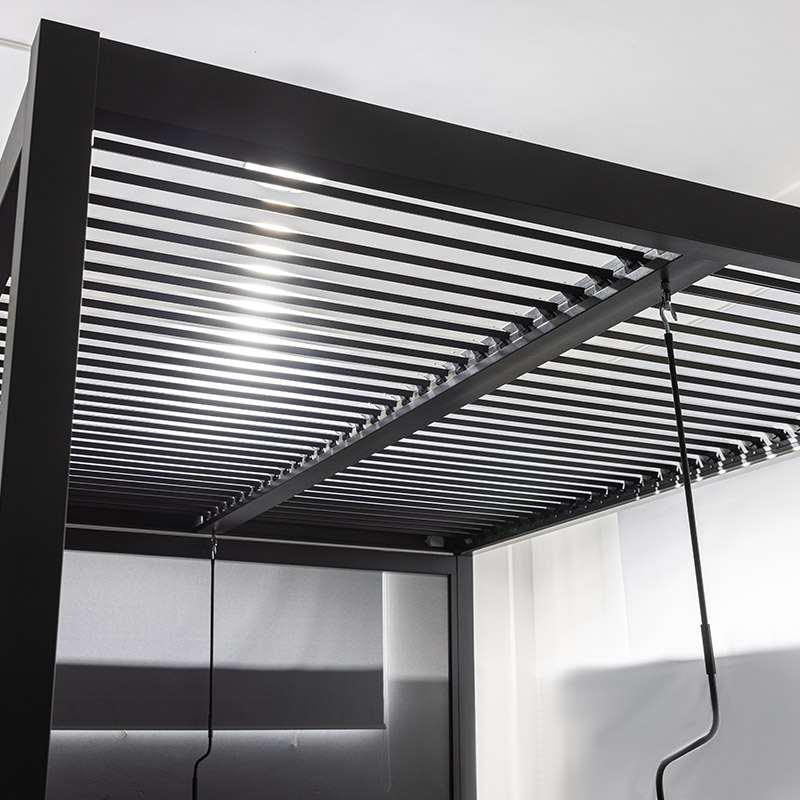
Across Europe, North America, and the Middle East, recent trends on social platforms and architectural design communities show a strong shift toward smart outdoor spaces that can respond dynamically to weather conditions. This evolution is reshaping how manufacturers design, engineers specify, and buyers evaluate pergola systems.
Modern users are no longer satisfied with fixed or manually adjusted shading systems. Residential, hospitality, and commercial projects now require outdoor structures that can adapt quickly to changing weather conditions.
Common user expectations include:
These expectations are pushing traditional pergola systems beyond their original functional limits.
Older pergola and awning designs were typically static or manually operated, which limits their ability to respond to unpredictable weather patterns. This creates several practical issues in real-world applications.
Key limitations include:
As outdoor spaces become more multifunctional, these limitations significantly reduce usability and comfort.
Recent developments in smart homes and intelligent building systems have extended into outdoor environments. Pergolas are now being integrated into broader smart living ecosystems.
Key technological trends include:
These innovations allow outdoor spaces to function as fully adaptive environments rather than static structures.
One of the most significant innovations in modern pergola design is the ability to control different sections independently. This allows users to optimize comfort across different areas of the same structure.
Practical advantages include:
This level of control is especially valuable for restaurants, resorts, and high-end residential projects.
As outdoor installations expand into more diverse climates, structural durability has become a key concern. Engineers and buyers are paying closer attention to materials, drainage systems, and wind resistance performance.
Modern pergola systems typically focus on:
These improvements ensure reliable performance in varying environmental conditions.
For international buyers, supplier manufacturing capability is now a critical decision factor. High-quality pergola systems depend heavily on precision engineering and consistent production processes.
Professional manufacturers ensure:
This level of manufacturing control directly affects installation performance and long-term product durability.
Global buyers are increasingly evaluating outdoor shading systems based on long-term usability rather than simple initial cost. Engineering teams now focus on lifecycle value and adaptability.
Key purchasing considerations include:
This shift reflects a more technical and system-oriented procurement approach in the outdoor construction industry.
The outdoor shading industry is moving toward fully adaptive, intelligent, and environmentally responsive systems. As smart architecture continues to expand globally, pergolas will become key components of integrated living environments.
Future development trends include:
As this transformation continues, advanced Dual-Side Independent Control Louvered Pergola systems and durable Wind And Rain Awning Pergola solutions will play an increasingly important role in shaping the future of intelligent outdoor living spaces.
Recommended Products

For any inquiries, please contact us.
Tel: +86-0576-85118676 / 18905767077
No. 26, Changtangan, Lingjiang River, Linhai City, Taizhou City, Zhejiang, China


 English
 Deutsch
 Español