Home / News / Industry News / What Should Buyers Look for in a Louvered Pergola Designed for Modern Outdoor Living?

2026-11-06
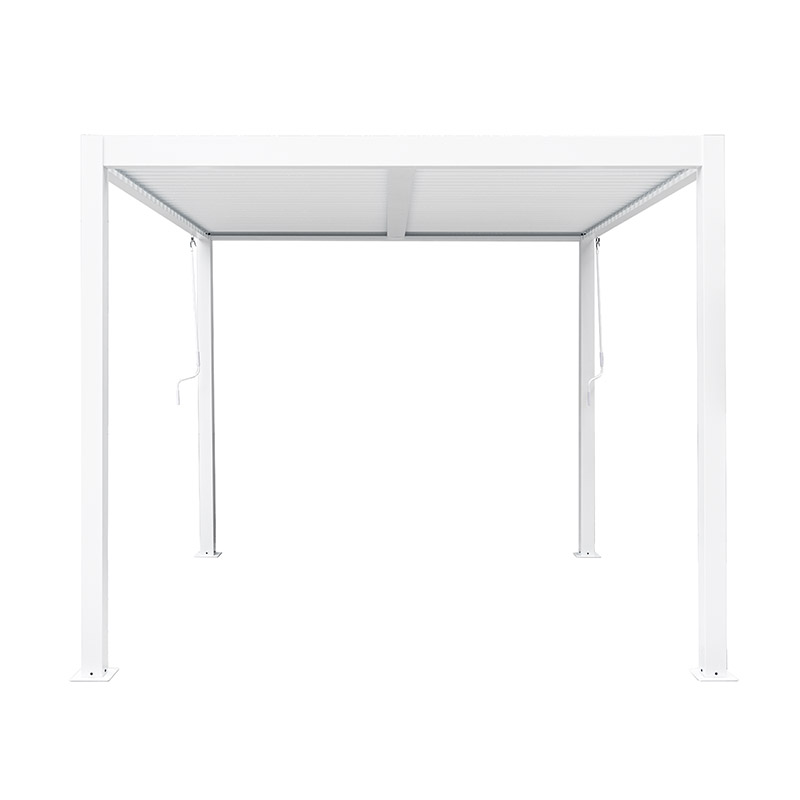
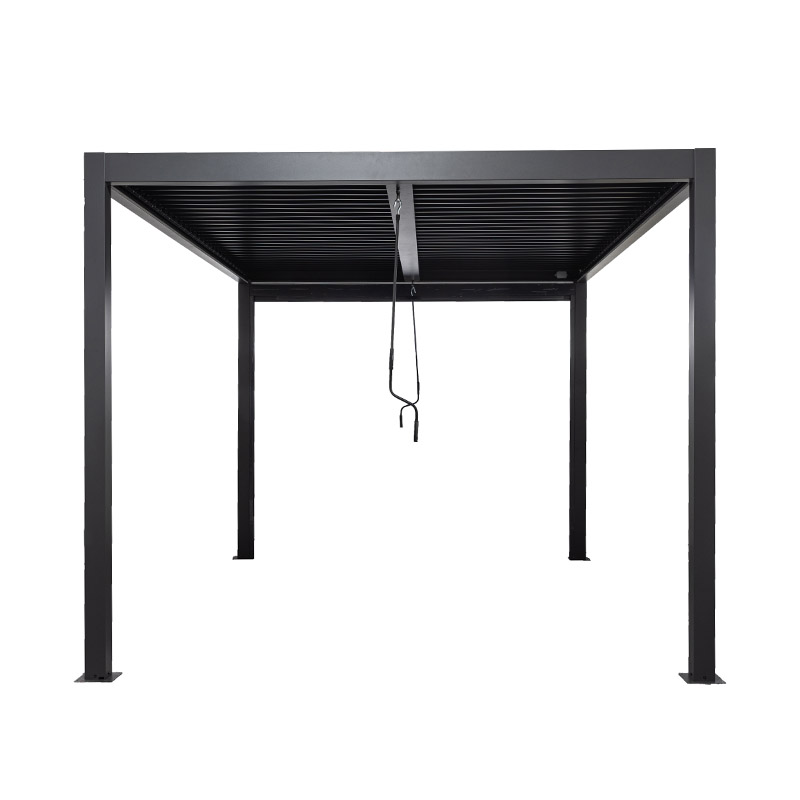
Outdoor spaces are becoming more versatile. Residential patios, restaurant terraces, hotel gardens, and commercial leisure areas are increasingly expected to provide comfortable environments for different activities throughout the day. A traditional fixed-roof structure may offer shelter, but it cannot always respond to changing sunlight, airflow, or outdoor conditions. This is one reason buyers are paying attention to adjustable-roof systems. When evaluating a Louvered Pergola With Sturdy Aluminum Frame, overseas buyers should look beyond appearance and consider how the roof mechanism, frame construction, drainage design, and installation requirements work together.
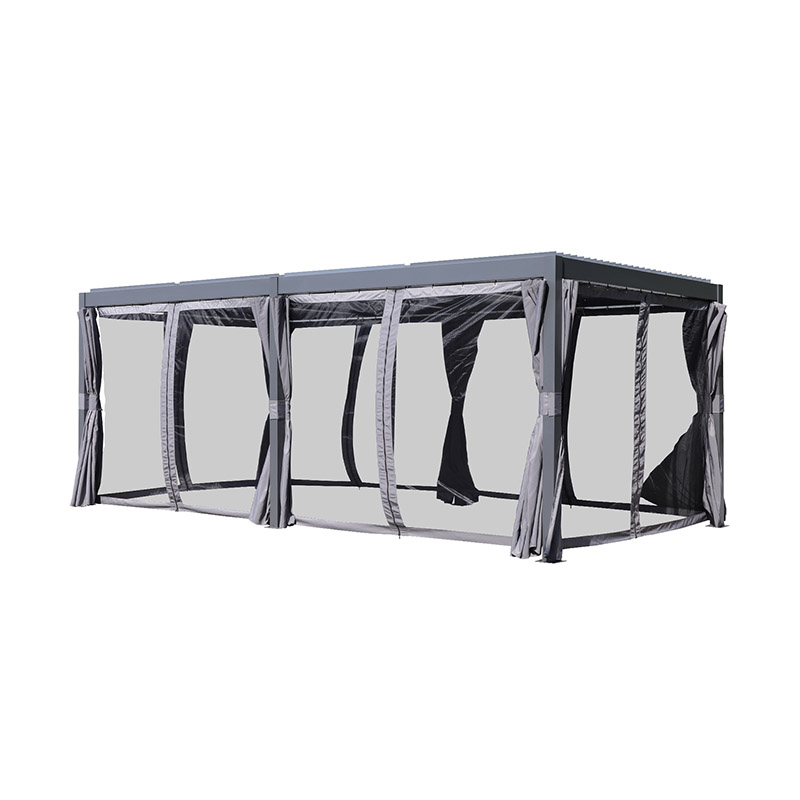
The main appeal of a louvered pergola lies in its adjustable roof. Unlike a fixed canopy, the louvers can be positioned to control the amount of sunlight and airflow entering the covered area. This gives users greater flexibility when outdoor conditions change.
For homeowners, the adjustment can make a patio more comfortable during different parts of the day. Restaurants and hospitality businesses may also value the ability to adapt their outdoor seating areas to different weather conditions. Buyers should therefore consider how smoothly the louvers operate and whether the adjustment mechanism is suitable for the intended frequency of use.
The frame supports the roof structure and influences the pergola's overall stability. Aluminum is widely used in outdoor structures because it combines a relatively low weight with corrosion resistance and practical maintenance requirements.
However, the word "aluminum" alone does not explain whether a product is suitable for a particular installation. Buyers should review the frame profile, connection points, support arrangement, and surface treatment. These details help determine how the structure performs under its intended conditions.
As a manufacturer, Linhai Lezama Leisure Products Co., Ltd. recognizes that frame design should be considered together with the dimensions and configuration of the pergola. A well-planned structure needs to support the adjustable roof while fitting the requirements of the installation site.
An adjustable roof needs to do more than open and close. When the louvers are positioned to provide shelter, rainwater management becomes an important part of the design.
Buyers should ask how water is directed away from the roof and whether the structure includes an integrated drainage arrangement. They should also check how the pergola is intended to be positioned and installed so that water does not accumulate in unsuitable areas.
For commercial projects, these details deserve attention during the planning stage. A drainage solution that is not considered until installation may create avoidable adjustments and additional work.
A pergola designed for a private garden may not automatically suit a hotel terrace or a restaurant project. Available space, ground conditions, surrounding buildings, and local weather exposure can all affect product selection.
Before confirming an order, buyers should assess:
Providing these details early helps manufacturers and buyers discuss a configuration that is more suitable for the project.
Outdoor structures are exposed to dust, moisture, changing temperatures, and regular use. Even when a pergola is made with corrosion-resistant materials, its long-term condition still depends on appropriate care.
The louver mechanism, fasteners, drainage channels, and surface finish should all be considered when reviewing maintenance requirements. Buyers should also understand how to clean the structure and whether any components require periodic inspection.
For distributors, clear maintenance instructions can make it easier to explain product ownership requirements to customers. For commercial operators, accessible components and straightforward cleaning procedures can help simplify routine facility management.
Modern outdoor design often connects architecture, landscaping, and furniture into one coordinated environment. A pergola is therefore not simply a shelter; it can become a visual feature of the entire outdoor area.
Frame color, structural proportions, roof arrangement, and overall finish should complement the surrounding design. For project buyers, reviewing these elements alongside functional requirements can help avoid choosing a product that performs its basic role but does not fit the intended setting.
Manufacturers can support this process by discussing product configurations and relevant customization options according to project requirements, without treating appearance as a substitute for structural suitability.
Selecting an outdoor pergola involves several connected decisions, from roof movement and frame construction to drainage, installation, and maintenance. Buyers should evaluate the complete product rather than relying on a single material description or visual presentation.
At Linhai Lezama Leisure Products Co., Ltd., product discussions can focus on how the structure is expected to be used and what the installation environment requires. For overseas buyers comparing a Louvered Pergola With Sturdy Aluminum Frame, understanding these practical details before ordering can support more informed purchasing decisions and help match the pergola to residential, hospitality, and other outdoor projects.
Recommended Products

For any inquiries, please contact us.
Tel: +86-0576-85118676 / 18905767077
No. 26, Changtangan, Lingjiang River, Linhai City, Taizhou City, Zhejiang, China


 English
 Deutsch
 Español